StackFeed — платформа свежих IT-новостей и туториалов
Мы собираем лучшие материалы о фронтенд-разработке, серверных технологиях и нейросетях. Здесь выходят свежие новости, практические туториалы, разборы и гайды о том, как работать с современными инструментами и технологиями будущего. Всё в одном месте, чтобы ты всегда оставался в курсе событий и развивался как разработчик
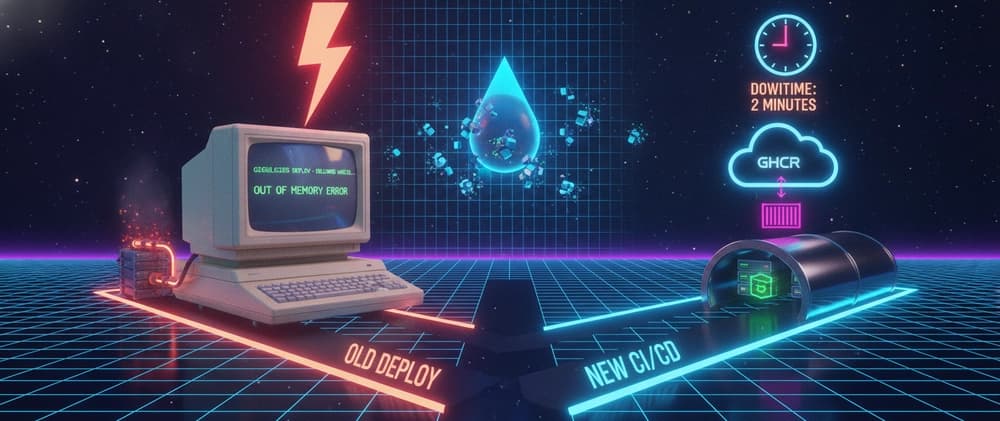
Stop Building Docker Images on Your 2 GB Droplet
GiggleGigs is a job board I run: Django + DRF on the backend, React + Vite on the front, Celery for...
Python 3.14's concurrent.interpreters module turns a 3.6-second GIL bottleneck into 0.9 seconds
I measured Python 3.14's new subinterpreters against threads and processes: 3.6s of GIL contention dropped to 0.9s, but a single interpreter flatly refuses a second concurrent thread.
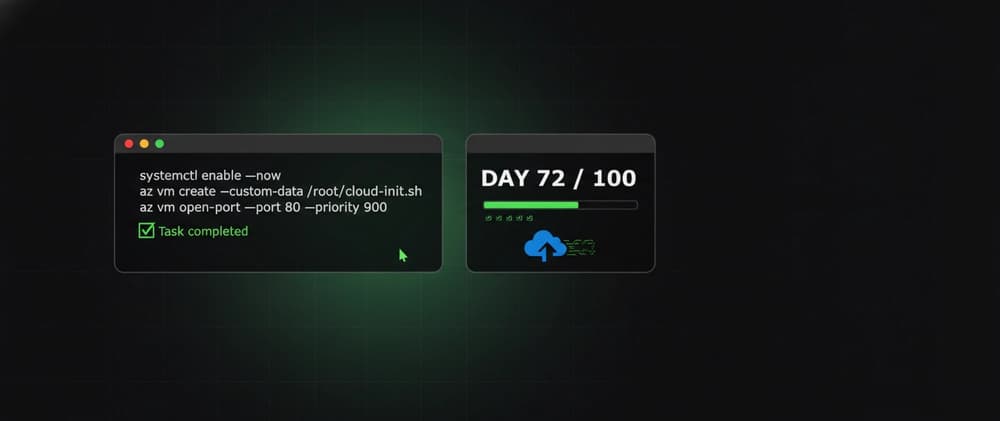
Day 72: A Parameter and a Boot Script
Day 72 of DevOps, Day 22 of Azure. Both tasks today were about a value crossing from outside into...
Airflow vs Dagster vs Prefect: How to Choose
Airflow vs Dagster vs Prefect: compare tasks, assets and flows, scheduling, lineage, testing, deployment, managed options and migration, with one ETL in each.
How I Reclaimed 25+ GB of "Hidden" Developer Cruft on My MacBook (Without Sketchy Cleaner Apps)
A terminal-first, zero-BS guide to finding and eliminating phantom disk hogs on macOS—without breaking your active Git repositories.

SGLang Runs DeepSeek's Own Benchmarks Against DeepInfer and Matches It
TL;DR DeepInfer is the inference engine DeepSeek built and runs behind its own service,...